Unpacking Adventure: Revealing the Contents of My Hiking Backpack

Updated: Sep 16, 2023
Follow me as I take your through the items in my bag and why you need them.

“A well-prepared hiker is not only ready for what lies ahead but also capable of embracing the wonders of the journey without fear."
Welcome to my hiking world, where every adventure begins with the contents of my trusty hiking bag. I have learned the importance of being well-prepared for the challenges that nature presents. In this blog post, I invite you to take a peek inside my hiking bag and discover the essential gear, nourishment, and tools that accompany me on every expedition.
The items nestled within my backpack are not chosen haphazardly but with the intention of ensuring safety, comfort, and enjoyment throughout my treks. From the rugged mountains to the serene forests, each location presents unique requirements, and my bag reflects the adaptable nature of a seasoned hiker.
So join me as I unzip the compartments and reveal the secrets within.
Backpack:
A sturdy and properly fitted backpack is your hiking companion.
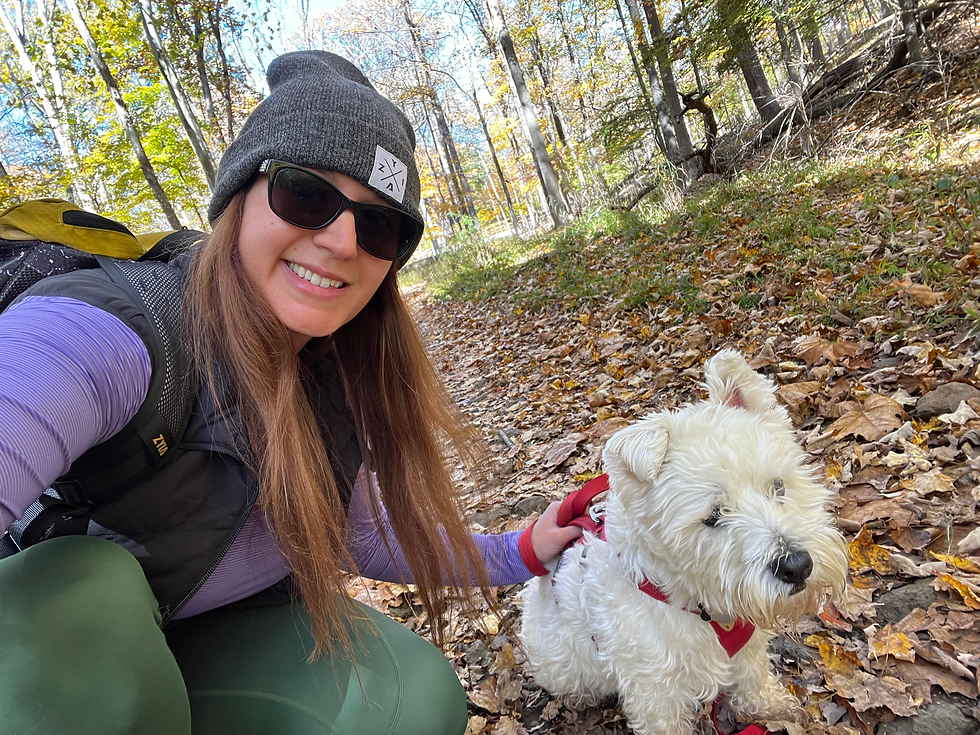
For someone like me with back problems I want my pack to be comfortable and light weight so that I can trek longer and not lose my balance on an incline. Thats why its import to me to have perforated foam and wrapped with a soft ventilated mesh that lets air flow freely throughout the back and shoulder straps.
Having an adjustable sternum strap with buckle is also not just for fashion but it actually helps balance your pack and take pressure off your back while things bounce around inside.
If your pack has water bottle pockets on the sides great, but keep in mind that they can be flimsy, stretch out, and can even expose your water to the elements. This is why I prefer to use these pockets for other items and use a pack with a hydration bladder secured in a pocket with clip and tube port for easy hydration on the trail.
Lastly a must have for my pack is bag with a zippered upper compartment for easy storage of keys and external attachment loops. These loops are great for attaching trekking poles, a selfie stick and when used with bungee cords or carabiner clips you can easily hook on more.
In the end look for one with adjustable straps, padding for comfort, and multiple compartments to organize your gear.
Clothing Layers:
Dress in layers to adapt to changing weather conditione Opt for moisture-wicking base layers, insulating mid-layers, and a waterproof and breathable outer shell. Don't forget to pack extra socks!
Spring and Summer months, it's important to choose clothing that keeps you cool, protects you from the sun, and allows for comfortable movement. Here are some clothing items suitable for summer hiking:
(Also remember to apply sunscreen/bug spray and reapply it regularly, regardless of the clothing you wear.)
Moisture-Wicking T-shirt: Opt for lightweight, breathable t-shirts made from moisture-wicking fabrics. I prefer to dress in layers with a copper charge tank that is temperature Control with strategic ventilation areas to let air flow in and out, keeping skin cooler and add a light moisture wicking long sleeve to T over it.
Quick-Drying Shorts or Hiking Pants: Choose lightweight and quick-drying shorts or hiking pants that provide freedom of movement and protection against vegetation, insects, and sun exposure. I actually prefer my ultra strong light n tight leggings and hustle shorts from Zyia; they are quick-drying, provide freedom of movement and pockets that keep your phone secure and at the ready for beautiful picture taking.
Hiking Socks: Wear moisture-wicking socks made from materials like merino wool or synthetic blends to keep your feet dry and prevent blisters. Choose socks that offer cushioning and support for maximum comfort during long hikes. Yes, even in the summer i wear high ankle socks; it protects you from exposing yourself to brush, insects, sun, and provides extra ankle support for your boots.
Sun Hat: Protect your face, neck, and ears from the sun's rays by wearing a wide-brimmed hat that provides shade and ventilation. Look for hats with UPF rating for added sun protection.
Sunglasses: Invest in a pair of sunglasses with UV protection to shield your eyes from harmful UV rays and reduce glare.
Light Rain Jacket or Windbreaker: Even in summer, weather conditions can change unexpectedly. Carry a lightweight, packable rain jacket or windbreaker in case of sudden showers or wind. My go to is a packable rain jacket that folds up into its own pocket and is as small as a wristlet.
Bandana or Buff: Use a bandana or a multifunctional Buff as a versatile accessory. You can wear it around your neck for sun protection, as a headband to keep sweat at bay, or as a face covering in dusty or buggy areas
*Not in my bag but part of my wardrobe are my Hiking boots: Opt for sturdy hiking shoes or trail runners with good traction and support. Choose footwear that is comfortable and breathable to prevent overheating and blisters. I have two pairs of boots depending on the type of trail I plan on going on, for example, if i know i'm going on a trail with streams or waterfalls i'll opt for my waterproof boots. If i'm going on a trail in AZ i'll go with my none trail runners, for they are more light weight and have better breathable holes and grip for climbing.

Wanderer T 
Wanderer Long Sleeve 
Chopper Charged Tank 
Hustle Shorts 
Light n Tight Pocket Capri
Clothing Layers:
Fall and Winter, it's crucial to prioritize warmth, insulation, and protection from the elements. Here are some essential clothing items for winter hiking:
(Also remember to apply sunscreen/bug spray and reapply it regularly, regardless of the clothing you wear.)
Insulated Jacket: Choose a warm, insulated jacket designed for cold weather. Look for options with synthetic insulation or down fill, which provide excellent warmth-to-weight ratio. Ensure the jacket has a hood for added protection. I much more prefer my mid-layer over a big puffy coat because they are too bulky and do not allowing you to move freely; unless i'm going snow shoeing or skiing.
Base Layers: Wear moisture-wicking base layers made of merino wool or synthetic fabrics to keep you dry and regulate body temperature. Opt for long-sleeve tops and thermal leggings for maximum warmth. My go to is agin a copper charge tank with a thermal or a 1/4 zip long sleeve.
Mid-Layer: Layer up with a fleece or insulated mid-layer vest to provide additional insulation and retain body heat. Look for options that are breathable and provide good mobility and a hood.
Hiking Pants or Insulated Tights: Wear durable hiking pants made of water-resistant or waterproof materials to protect against moisture and wind. Alternatively, you can wear insulated tights or thermal leggings under your hiking pants for added warmth. I also opt for fleece leggings or thermals under my Zyia peak joggers; they are quick drying, moisture wicking, easy to shed if things warm up and perfect for layering.
Wool or Synthetic Socks: Wear thick, moisture-wicking wool or synthetic socks to keep your feet warm and dry. Consider layering with a thinner liner sock for added insulation and blister prevention.
Hat and Neck Gaiter: Protect your head, ears, and neck from cold temperatures with a warm hat and a neck gaiter or balaclava. Look for options that provide good coverage and insulation.
Gloves or Mittens: Choose insulated gloves or mittens designed for cold weather. Look for options that offer dexterity and touchscreen compatibility, so you can operate devices without removing them.
Gaiters: If hiking in deep snow or wet conditions, consider wearing gaiters to protect your lower legs and keep snow, moisture, and debris out of your boots.
Snowshoes or Crampons: Depending on the trail conditions, you may need snowshoes or crampons for traction on icy or snowy terrain. Choose the appropriate gear based on the trail's difficulty and expected conditions.
*Not in my bag but part of my wardrobe are my Waterproof and Insulated Boots: Invest in waterproof and insulated hiking boots suitable for winter conditions. Make sure they have good traction and ankle support to handle snowy and icy terrains. I go for ones that come above the ankle and of course pair them with high socks that overlap my leggings.
**Additionally, always check the weather forecast and trail conditions before heading out, and be prepared with extra layers and additional gear if necessary.

Chill Long Sleeve 
Light n Tight Pocket Capri 
Camo Sawatch Vest Wanderer Long Sleeve 
Light n Tight Pocket 7/8 
Peak Joggers
Navigation Tools::
You don't have to be a boy scout/girl scout to navigate the trails.
Carry a map and compass to navigate your trail effectively. Familiarize yourself with the basics of map reading and compass use to enhance your hiking experience. Now a days there are tons of apps on your phone, like All Trails or Map, My Hike and even the compass app that comes with your phone. Additionally, I also take a picture of the trail map outside of the start of the trail for a quicker reference, Its always a good idea to tell someone where you are going and what trails your taking. Lastly, I like to drop a pin on google maps of the start of the trail to help guide you back if you get lost.
Water and Hydration::
A dehydrated state can lead to serious consequences, including heat stroke, muscle breakdown, and kidney failure.
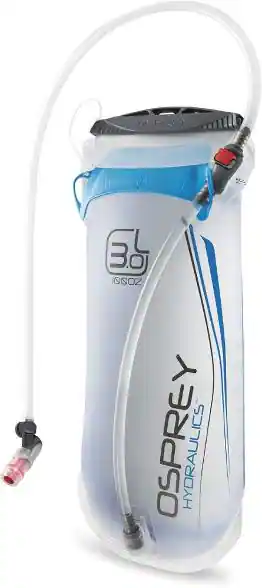
So it's important to stay hydrated on the trail by carrying an adequate supply of water. Invest in a reliable water bottle or my personal favorite a hydration bladder. I recommend in investing in a hydration bladder because it allows you to take small sips without stopping on the trail, the water stays protected from the elements by remaining in your bag, and holds more water then a water bottle. Also consider a water purification methods for longer hikes.
*Know the signs of dehydration; feeling fatigue, muscle cramps, nausea, increased thirst then its time to have a rest and drink up for these are all signs of dehydration..
Snacks and Meals:
Hiking burns a lot of calories, so it’s important to pack the right kind of snacks to keep your energy up on the trail.
Pack lightweight and nutritious snacks such as energy bars, trail mix, and dried fruit. For longer hikes, include easy-to-prepare meals or dehydrated options that provide sustenance and energy. My go to are homemade trail mix with Biltong (jerky) or oat bars.
First Aid Kit:
An essential part of your hiking pack equipment.
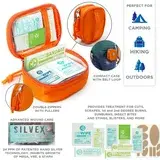
Safety should be a priority. Carry a compact first aid kit containing essentials like band-aids, antiseptic wipes, pain relievers, blister treatments, and any necessary medications..
Sun and Bug Protection:
Apply a sunscreen with SPF 15 or higher half an hour before going outdoors to achieve adequate UV protection
Shield yourself from the sun's harmful rays with sunscreen, sunglasses, and a wide-brimmed hat. Don't forget to protect your lips with SPF lip balm. If your sensitive to DEET or want something a little more natural then lookg for something that uses a 20% concentration of picaridin, its long-lasting repellency for ticks and mosquitoes with none of DEET’s downsides.
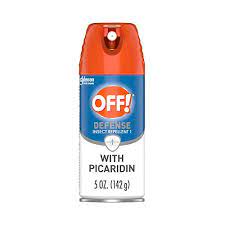
OFF! Defense Insect Repellent 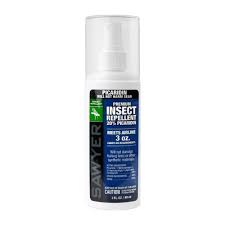
Sawyer Insect Repellent 
Ultra Sport Sunscreen
Emergency Essentials:
Be prepared for unexpected situations
Packing a whistle, flashlight, waterproof matches, a multi-tool (swiss army knife), and an emergency blanket. These items can prove invaluable in case of emergencies. But don't rule out human emergencies, especially when hiking alone. I carry a personal safety system, called She's Birdie. I not only carry it when hiking but when walking the dogs alone at night or going out for drinks with friends. This alarm system has a siren that is 130 decibels (comparable to a jet engine flying 100 ft above you), it also can send out a GPS of your location and connect you to a live agent.

Communication and Capturing the momments:
Fully charged phone, pictures and journaling.
How do you carry a fully charged mobile phone for emergencies, keep it on airplane mode to conserve battery. However, if you're using your phone for navigation and picture taking then consider a solar battery pack. Additionally, a small notebook, and a pen to document your journey and capture any noteworthy moments.

Solar Battery Pack with light 
Pocket Notebook Journal
Get Inspired
As an amateur hiker, having the right gear in your backpack is essential for a safe and enjoyable hiking experience. By investing in quality gear and being prepared, you'll be well-equipped to tackle the trails and create lasting memories in the great outdoors. Remember to always research and prepare for your specific hiking destination and adjust your gear accordingly. So lace up your boots, pack your backpack with these essentials, and embark on your thrilling journey into the world of hiking as an amateur hiker. Adventure awaits!
**As a fun as a hike is, I can't wait to get into my comfy cloths afterwards. Keep a post-hike kit in your car; items include slip on shoes, change of cloths, extra water, deodorant, extra snacks, hand sanitizer/wet ones.

Comments